 Skip to content

Table of Contents
- Walk-In Tub Pros and Cons: The Honest Trade-Offs
- The Main Advantages of a Walk-In Tub
- Walk-In Tub Disadvantages You Should Know Before Buying
- Walk-In Tub Cost: What Drives the Price
- Walk-In Tub vs Walk-In Shower: Which Fits Your Bathroom?
- Medicare Coverage for Walk-In Tubs: What You Need to Know
- Is a Walk-In Tub Right for You?
- Frequently Asked Questions
Last Updated: October 9, 2026
Walk-In Tub Pros and Cons: The Honest Trade-Offs
A walk-in tub is a bathtub with a low-entry threshold and a watertight door that lets you step in without climbing over a high side. For millions of older adults and people with mobility limitations, that design change can mean the difference between bathing independently and needing caregiver assistance. And the biggest no-brainer most people miss – the proper walk-in tub for you can offer potentially life-altering therapies and pain management. A fact most people completely fail to take into account. This guide from Bentley Baths lays out the walk in tub pros and cons honestly, including costs, installation demands, and the questions most buyers only ask after signing.
The Main Advantages of a Walk-In Tub
The biggest advantage is access. A low-entry threshold and a watertight door let you walk in rather than swing a leg over a tub wall, the exact motion that causes many bathroom falls.
Safety Features That Reduce Fall Risk
Most walk-in tubs combine several safety features in one unit:
- Low-entry threshold that reduces the step-over height
- Built-in seat so you can bathe seated instead of lowering yourself to the floor of the tub
- Grab bars positioned at the entry and beside the seat
- Non-slip flooring on the tub base
Together, these features address the biggest fall risk in the bathroom: getting in and out of the tub. The CDC information on falls among older adults notes that most falls happen during everyday activities, and the bathroom is a common location.
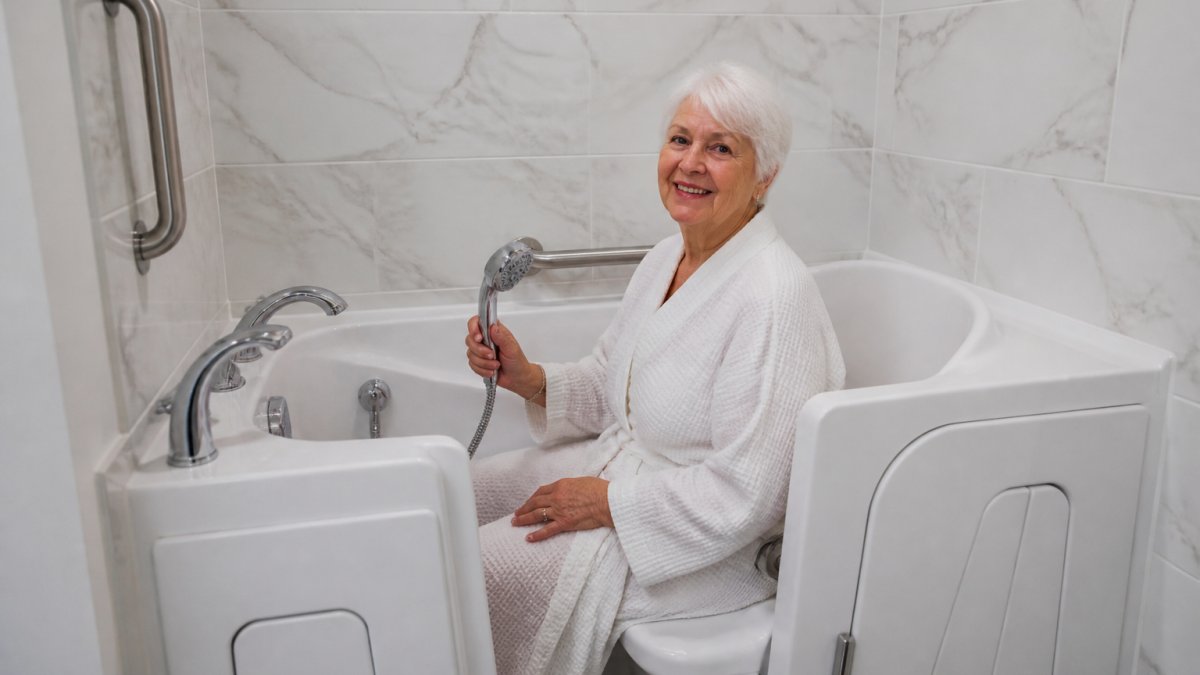
Therapeutic Benefits of Hydrotherapy
Many walk-in tubs include water jets and hydrotherapy options. Warm water and gentle jet massage can support muscle relaxation, temporary pain relief, and circulation, which matters for people managing arthritis or aching joints.
At Bentley Baths we can offer our exclusive Medical Hydrotherapy systems, which address many major health with water jetted, Jacuzzi-type systems. Medical Hydrotherapy means temperature-appropriate, sanitary, non-aggressive whole-body massage. Based on our twenrty years experience, your doctor would very likely prescribe it for you. This has helped with thrid party pay options, espcially Medicaid.
Hydrotherapy is comfort care, not a cure. It may ease symptoms during and after a soak, but it does not treat the underlying condition. If you have a health condition, ask your doctor whether warm-water bathing fits your situation.
Walk-In Tub Disadvantages You Should Know Before Buying
The walk-in tub disadvantages are real. The two biggest are cost and time: these tubs cost more than a standard bathtub and take noticeably longer to fill and drain.
Filling and Draining Time
Because the door must stay sealed until the water drains below the threshold, you sit in the tub while it fills and drains.
There is also a heat-loss problem: while the tub fills, the water already in it cools, and the tub surface pulls warmth out. A larger water heater and a well-insulated tub help, but the wait is part of the experience.
Other disadvantages to weigh:
- Higher purchase and installation cost than a standard tub
- Door seals and gaskets need periodic inspection and eventual replacement
- Some units require a larger water heater or upgraded plumbing
- Fewer style and size options than standard tubs
Walk-In Tub Cost: What Drives the Price
Walk-in tub cost depends on the tub itself, the features you choose, and the installation work. Because pricing varies by provider, model, and bathroom layout, get a written, itemized quote rather than comparing headline numbers, a broad range does not tell you whether your project lands at the low or high end. What follows is a transparent, itemized way to build your own estimate.
Build Your Own Itemized Estimate
Every walk-in tub project breaks into six cost buckets. Ask each contractor to quote these separately so you can compare apples to apples.
- Tub and features. The base unit plus any add-ons: hydrotherapy jets, air massage, in-line or inline heater, chromotherapy lighting, and a fast-drain option. Features are the single biggest swing factor in the tub line item.
- Removal and disposal. Tearing out the old tub or shower, hauling it away, and any demolition of surrounding tile or drywall.
- Plumbing and drain work. Relocating the drain, adjusting supply lines, and confirming the drain can handle the tub’s capacity. Older homes often need more of this than buyers expect.
- Electrical work. Jets, heaters, and lights typically need a dedicated circuit and a GFCI-protected outlet. If your panel is full, add the cost of a subpanel or service upgrade.
- Structural and finish work. Floor or subfloor reinforcement, new tile, drywall repair, flooring, and paint around the tub.
- Access modifications. Widening a doorway or removing a door frame if the tub will not fit through it.
Ongoing and Long-Term Costs
The purchase price is not the whole cost of ownership. Budget for these over the tub’s life:
- Water and energy. A walk-in tub holds more water than a standard tub, and you may run the water heater longer to fill it. An in-line heater to hold temperature draws electricity on every soak.
- Seal and gasket replacement. The door seal is a wear item. Expect to inspect it regularly and replace it periodically; a failing seal means leaks.
- Service calls. Not every plumber services every brand. Confirm local service availability before you buy, and ask what a typical service call costs.
- Warranty exclusions. Read what the warranty does not cover. Labor, seals, and parts are common exclusions, and a warranty covering the shell but not the door mechanism leaves the most failure-prone part exposed.
What to Ask Before You Sign
- Is the quote itemized by the six buckets above?
- Does it include permit fees, or are those billed separately?
- Who handles warranty service, the dealer or the manufacturer?
- What is the lead time between order and installation?
A written, itemized quote is the only reliable way to compare providers; headline prices hide the variables that determine what you pay.
Walk-In Tub vs Walk-In Shower: Which Fits Your Bathroom?
A walk-in tub and a walk-in shower both improve access, but they solve different problems. A walk-in tub gives you soaking and hydrotherapy; a walk-in shower gives you faster, simpler daily bathing with no fill-and-drain wait. The right answer depends on how you bathe, how you transfer, and what your bathroom can hold.
Compare the Real Alternatives
| Option | Entry and transfer | Soaking | Fill/drain wait | Typical footprint | Best for |
|---|---|---|---|---|---|
| Walk-in tub | Low threshold with door; seated entry | Yes, with hydrotherapy options | Yes | Larger | Soaking, joint relief, seated bathing |
| Walk-in shower | Low or zero threshold; roll-in or curbless options | No | None | Smaller, flexible | Daily showering, smaller bathrooms |
| Tub-to-shower conversion | Depends on new shower base | No | None | Reuses tub footprint | Replacing an unused tub without a full remodel |
| Grab bars and a transfer bench | You still step over the tub wall | Yes, in the existing tub | Yes | None | Low-budget safety upgrade on an existing tub |
| Accessible shower with a built-in seat | Low or zero threshold | No | None | Small to medium | Showering while seated with caregiver access |
A Decision Framework Based on Your Needs
Work through these questions in order; the first “yes” usually points to your best fit.
- Do you need to bathe while seated, and do you want to soak? A walk-in tub is built for this. If you only need to sit while showering, an accessible shower with a seat does the same job faster.
- Do you have trouble stepping over a tub wall at all? A transfer bench and grab bars can make an existing tub safer for far less money, but they do not remove the step-over. If the step-over itself is the problem, you need a low- or zero-threshold option.
- Is speed or space the priority? A walk-in shower wins on both. No fill-and-drain wait, and it fits smaller bathrooms more easily.
- Do you already have a tub you never use? Both a walk-in tub and a tub-to-shower conversion reuses the footprint of an existing tub. A “one-day” installation with a kit shower system often costs a little less than a full walk-in tub installation, but a custom shower may be considreably more. Check all options first.
- Do you need caregiver access? A large walk-in shower or an open accessible shower can be easier for a caregiver to assist with than a walk-in tub, where the door and seated position can limit reach. However, a wheelchair accessible tub can be easier to access if space permits. Smaller showers confined to the size of a standard bathub can be very difficult to use with caregiver help.
Real-World Usability and Caregiver Considerations
The brochure version of a walk-in tub assumes you can enter, sit, operate the door, and wait comfortably. In practice:
- Door operation. The door must be closed and latched before the tub fills. Some users with limited hand strength or arthritis find the latch hard to operate. Test it in person.
- Waiting inside. You sit in the tub while it fills and drains. For someone who tires easily or gets cold, that wait is the most common complaint.
- Transfer assistance. If you need help getting in, a caregiver has to reach into the tub. A walk-in shower with an open side is usually easier to assist from.
- Bathing duration. Total bath time is longer with a walk-in tub because of the fill and drain cycles. Plan for it.
How to Run a Fit Check Before You Buy
Measure and confirm these before you commit to any option:
- Doorway width and any turns between the door and the bathroom
- Bathroom floor space and the tub’s footprint with clearance for the door swing
- Water heater capacity and recovery rate
- Drain location and whether it can be reused or must move
If soaking is the point, choose the tub. If speed, space, or caregiver access matters more, a walk-in shower or conversion is often the better fit. Some households combine both, or choose a tub-shower combination.
Medicare Coverage for Walk-In Tubs: What You Need to Know
Medicare coverage for walk-in tubs is limited. Original Medicare generally treats a walk-in tub as a comfort or convenience item rather than durable medical equipment, so it typically does not pay for the tub itself. However some supplemental plans may depending on your needs.
The safest path is to check current guidance directly at Medicare.gov and ask your doctor and supplier about documentation before you buy. Do not assume coverage; confirm it in writing.
Is a Walk-In Tub Right for You?
A walk-in tub is worth considering if you have mobility limitations, balance issues, or a condition like arthritis that makes a standard bathtub hard or risky to use.
Before you decide, run a fit check:
- Measure your bathroom and doorway width
- Confirm the tub will fit through the door and into place
- Check your water heater capacity
- Note where grab bars and the seat will sit
- Get a written, itemized quote
At Bentley Baths, we offer a free in-home or virtual evaluation by an age-in-place specialist, which includes a free safety assessment of your bathroom.
Bathroom safety decisions are hard to make alone, and the wrong fit wastes money and time.
Frequently Asked Questions
What are the downsides of using a walk-in bathtub?
The main disadvantages include high upfront cost, slow filling and draining (often 10-15 minutes each), and the need to wait inside the tub until the water drains to avoid stepping out onto a wet floor. Installation may require plumbing and electrical modifications. Some models also have a high step-over threshold, which can still pose a fall risk if not measured correctly.
Will Medicare pay for a walk-in tub?
Original Medicare (Part A and Part B) generally does not cover walk-in tubs because they are considered home modifications, not durable medical equipment. However, if a doctor prescribes hydrotherapy as part of a treatment plan for a qualifying condition, some Medicare Advantage plans may offer partial coverage. Check with your specific plan and a qualified professional before purchasing.
How much does a walk-in tub cost?
Walk-in tub cost depends on the model, features (hydrotherapy jets, heated seats, fast-drain systems), and installation complexity. Pricing varies by provider and bathroom layout. Bentley Baths offers free in-home evaluations to assess your space and provide a personalized quote. Contact us or visit our website for current pricing based on your specific needs.
Is a walk-in tub better for seniors than a walk-in shower?
It depends on mobility level and bathing preferences. Walk-in tubs offer soaking and hydrotherapy benefits, which can help with arthritis pain and muscle relaxation. Walk-in showers with zero-threshold entry and a built-in seat are often easier to enter and exit, especially for wheelchair users. A free safety assessment can help determine which option fits your bathroom and health needs.

