Table of Contents
- Do Walk-In Tubs Help Arthritis Pain? The Short Answer
- How Warm Water Therapy for Arthritis May Ease Joint Pain
- What the Research Suggests and Where It Stops
- Walk-In Tub Features for Arthritis That Actually Matter
- Walk-In Tub Versus Accessible Shower: Which Fits Your Arthritis?
- Walk-In Tub Disadvantages You Should Hear Before You Buy
- Safe Temperature, Soak Time, and Medical Cautions
- Frequently Asked Questions
Last Updated: October 17, 2026
Do Walk-In Tubs Help Arthritis Pain? The Short Answer
Do walk-in tubs help arthritis pain? Sometimes, yes.
I’m George Bentley. I founded Bentley Baths after my mother fell in a traditional bathtub.
Here’s the honest version: the water helps. The door and the seat help more than most people expect. Neither replaces your doctor.
That matters. Stiff joints want gentle motion, not stillness.
Below, I’ll cover what warm water may do, what the research can and cannot promise, which features earn their keep, and the downsides sellers skip.
How Warm Water Therapy for Arthritis May Ease Joint Pain
Warm water therapy for arthritis uses heat and buoyancy to help people move with less discomfort. It is not a cure, just a tool that makes daily movement easier for some people.
A warm soak also triggers a relaxation response, and tense muscles and a tense mind tend to travel together.
Many people with arthritis describe the same pattern: twenty minutes in warm water, and the first few steps afterward feel less like a negotiation.
Buoyancy, Warmth, and Why Movement Gets Easier
Water takes weight off. Sitting in a filled tub, your body weighs a fraction of what it does on dry land, reducing load through hips, knees, and lower back.
Less load means movement costs less. You can flex a knee or lift an arm through a fuller range of motion without the joint hollering.
That’s why a warm soak often pairs well with gentle movement. Ankle pumps. Knee bends. Shoulder rolls. Small, repeatable actions done in water.
Time your soak before your stiffest part of the day, not after. Many people do better soaking in the morning and then moving right after, while the warmth is still working. Soaking and then sitting for two hours wastes the window.
What the Research Suggests and Where It Stops
Research suggests warm-water immersion can help some people with arthritis report less pain and stiffness and better function. The evidence is real but modest and varies by arthritis type.
Most studies look at warm water exercise or immersion therapy, not walk-in tubs specifically. When a salesperson says a tub is “clinically proven” to relieve arthritis, ask: proven by what study, in what population, measuring what outcome?
What Warm Water Research Actually Measures
When researchers study warm-water therapy for arthritis, they typically measure:
- Pain scores. Participants rate pain before and after sessions. Improvements are usually short-term and self-reported.
- Stiffness. Morning stiffness duration and joint stiffness ratings often improve during treatment.
- Function. How easily someone walks, climbs stairs, or performs daily tasks. This is where warm water shows its most meaningful benefit.
What the research generally does not show is that warm water changes the underlying disease. It does not repair cartilage, stop joint destruction, or replace medication. Expect comfort and easier movement, not a cure.
Why Arthritis Type Changes the Answer
“Arthritis” is an umbrella, and the type matters for whether a warm soak helps or hurts on a given day.
- Osteoarthritis is wear-and-tear. Warmth and buoyancy generally help by reducing load and relaxing the muscles guarding the joint. This is the group where a daily soak most often earns its keep.
- Rheumatoid arthritis is inflammatory and autoimmune. Warm water can feel good between flares, but during an active flare a hot soak may increase swelling and discomfort. Warmth for stiffness, caution for heat and swelling.
- Fibromyalgia often responds well to warmth and gentle movement, but the response is highly individual. Some love a warm soak. Others find heat aggravates their symptoms.
A common pattern I hear from customers is that the same soak that feels wonderful in a stiff morning feels wrong during a flare. That is not inconsistency. That is your body telling you something useful.
How to Judge a Claim About Walk-In Tubs and Arthritis
When you hear a claim, run it through these questions:
- Is it about warm water generally, or walk-in tubs specifically? Most evidence is about warm water. The tub is the delivery method, not the therapy.
- Is it short-term symptom relief or long-term disease change? Be suspicious of anything promising the second.
- Who was studied? A study of older adults with knee osteoarthritis does not automatically apply to someone with rheumatoid arthritis.
- Is the source primary or a sales page? The National Institute of Arthritis and Musculoskeletal and Skin Diseases publishes plain-language guidance on arthritis types and treatment. Read it before you let a salesperson define your condition for you.
The National Institute on Aging also has practical material on exercise and joint health that is written for consumers, not clinicians.
Warm water may help you feel better and move more easily. It will not change the disease. If a seller blurs that line, walk away and come back when the claims are clear.
What This Means for Your Decision
If you are wondering do walk in tubs help arthritis pain for your own situation, and your goal is comfort, easier movement, and a bathing routine you can keep up, a walk-in tub is a reasonable tool to consider.
That is why I separate three things:
- Established: warmth and buoyancy generally make movement more comfortable for many people with musculoskeletal conditions.
- Likely but unproven for tubs: a daily warm soak at home may deliver some of the same comfort.
- Not established: that any tub reduces inflammation, slows joint destruction, or replaces medication.
Arthritis type matters, too. A warm soak may comfort one type and aggravate another on a bad day. That is a conversation for your rheumatologist, and it is better when you bring specific questions instead of a brochure.
Walk-In Tub Features for Arthritis That Actually Matter
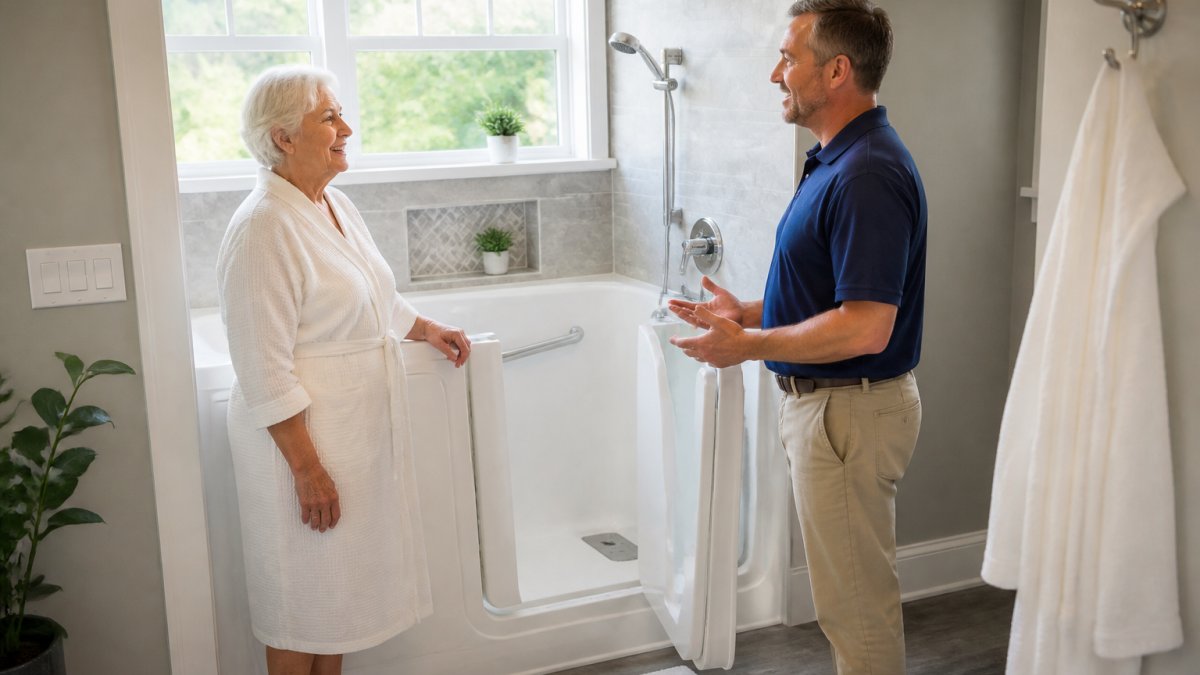
Walk-in tub features for arthritis should reduce the effort of getting in, sitting down, and getting out.
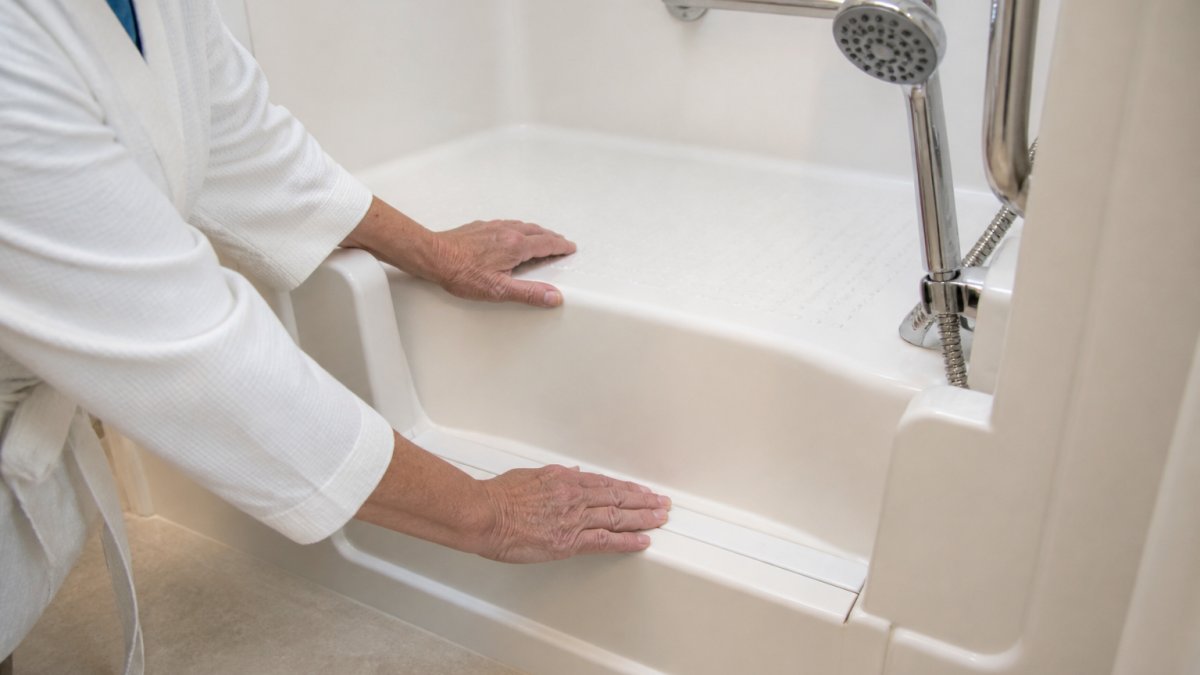
Start with the door and threshold. A low entry means you step over less.
The built-in seat is next. Sitting to bathe takes balance out of the equation.
Then the support. Grab bars rated for body weight, placed where your hands actually go.
Inward-opening doors seal better. Outward-opening doors let you exit fast if you need to.
Features I Tell People to Skip
Plenty of add-ons get sold hard and used twice. Aromatherapy. Chromotherapy lights. Fancy digital controls you’ll never learn.
Skip anything that adds a step you won’t repeat. The best feature is the one you use every day without thinking.
Be skeptical of a fast pitch built on urgency. If a salesperson has to call a manager repeatedly to “get you a deal tonight,” you’re watching a performance, not a price. A real quote survives a night’s sleep.
Walk-In Tub Versus Accessible Shower: Which Fits Your Arthritis?
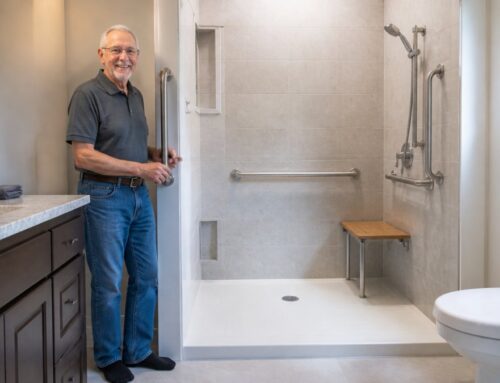
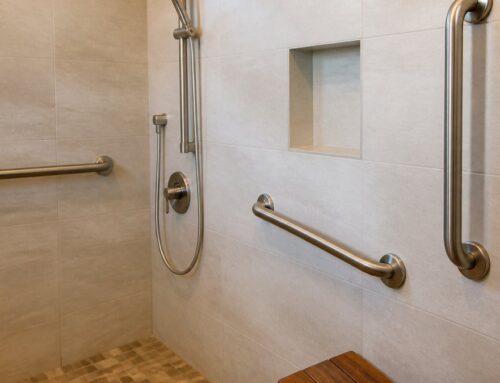
Walk-in tub versus accessible shower comes down to one question: do you want to soak, or do you mainly need to wash safely? A walk-in tub wins for seated soaking.
Here’s how I’d sort it:
| Your situation | Better fit | Why |
|---|---|---|
| Arthritis pain that warm soaking eases | Walk-in tub | Seated deep soak with door closed |
| Severe balance loss or wheelchair use | Accessible shower | Roll-in access, no threshold to cross |
| You bathe mostly for hygiene | Accessible shower | Faster, simpler, less to manage |
| You want both comfort and safety | Transition tub | Soaking plus easier entry |
| Caregiver help is likely soon | Accessible shower | Room for a second person |
My bias is on the table: I favor walk-in tubs in many situations because seated soaking is genuinely useful for aching joints. But I’ve told plenty of people not to buy one.
Walk-In Tub Disadvantages You Should Hear Before You Buy
Walk-in tub disadvantages are real, and you should hear them before you sign anything.
The seat is comfortable. The step over the threshold still exists, just lower.
Then there’s cost and installation. A walk-in tub is a construction project, not an appliance swap. Doorway width, floor support, and water heater capacity all matter.
Space is the other one. These tubs need room, and some bathrooms simply don’t have it.
The most expensive mistake isn’t paying more for a good tub. It’s paying for a tub that doesn’t fit your bathroom, your body, or how you actually bathe.
Safe Temperature, Soak Time, and Medical Cautions
Safe soaking means water that feels warm, not hot, and a soak short enough that you do not overheat. Warm water is the goal. Scalding water is not therapy. That sounds obvious until you are sitting in a tub trying to decide whether the water is “therapeutic” or “too much,” and nobody has given you a number.
So here is how I talk about it.
A Practical Soak Protocol
I am not a physician, and I do not give medical advice. What I can offer is a sensible starting framework most people can adapt with their doctor’s input.
- Temperature. Aim for comfortably warm, roughly the range of a warm bath you would give a child, not a steamy one. If you would not put a baby in it, it is too hot for a long soak. Many practitioners suggest keeping the water below the point where your skin turns pink and stays pink.
- Duration. Start with 10 to 15 minutes. Many people settle into a 15 to 20 minute routine. Longer soaks raise the risk of overheating, dizziness, and dehydration, especially in a walk-in tub where you are seated and may not notice you are getting too warm.
- Frequency. Daily or every other day is common. Consistency matters more than length. A short soak you actually do beats a long soak you dread.
Keep a filled water bottle on the tub ledge and a towel within reach before you get in. The goal is to remove every reason to stand up mid-soak and reach for something.
Medical Cautions Worth Taking Seriously
Heat affects circulation, blood pressure, and how your body handles fluid. Some conditions and medications change that math. Talk to your doctor before making warm soaking a routine if any of these apply:
- Heart conditions, including heart failure or a history of arrhythmia.
- Uncontrolled high blood pressure or blood pressure that swings.
- Diabetes with nerve loss in the feet, because you may not feel water that is too hot.
This is not a reason to avoid warm water. It is a reason to have the conversation before you build a habit, not after.
Flares, Swelling, and When to Skip the Soak
Heat is not universally your friend. During an inflammatory flare, a hot soak can increase swelling and make a joint feel worse.
A useful rule of thumb: warmth for stiffness, caution for heat and swelling. Stiff and achy in the morning? A warm soak is often welcome. Hot, swollen, and angry after a flare? Skip it and call your doctor.
After the Soak
What you do in the ten minutes after you get out matters as much as the soak.
- Move gently while you are still warm. Ankle pumps, knee bends, shoulder rolls. Small, repeatable actions. This is where the warmth pays off.
- Do not sit down for two hours. Soaking and then parking in a chair wastes the window. Use the warmth to do a few minutes of gentle movement.
- Watch for dizziness. If you feel lightheaded, sit down and drink water. Do not push through it.
The CDC guidance on preventing falls at home is worth reading for anyone weighing a bathroom change. Falls are the injury that ends independence fastest, and warm water plus a slippery tub floor is a combination worth respecting.
Never soak alone if you have had dizziness or fainting. A walk-in tub with a door and a seat is safer than a traditional tub, but no product guarantees a fall will not happen. Have someone nearby or a way to call for help.
Building the Habit
A soak only helps if you actually do it. Pick a time you will keep, keep the water comfortably warm and the soak short, and keep a water bottle and towel within reach.
If you want help thinking through your own bathroom before you commit to anything, start with a free safety assessment. You can also work through the Free Safe Bathing Course at your own pace, which walks you through the same questions I ask every customer.
Frequently Asked Questions
Do walk-in tubs help arthritis pain?
They can help some people, mainly by making warm water soaking easier to do safely. Warm water immersion may ease joint stiffness and muscle soreness and take pressure off joints through buoyancy. What a walk-in tub does not do is treat or cure arthritis. The honest benefit is twofold: you get regular warm soaks without climbing over a tub wall, and you get seated, supported bathing that lowers the fall risk that comes with stepping into a traditional tub. Whether it helps you depends on your arthritis type, your mobility, and how consistently you use it.
How long should you soak in a warm bath for arthritis?
Most people do well with 15 to 20 minutes in comfortably warm water, not hot. The point is relaxation and gentle movement, not endurance. Longer soaks can leave you lightheaded or overheated, especially if you take blood pressure medication or have heart or circulation conditions. Get out slowly, and keep water within a temperature your doctor approves. If you feel dizzy, flushed, or weak, end the soak. Ask your physician about your specific situation before making warm soaking a routine.
Are walk-in tubs safe for people with arthritis?
They remove the biggest hazard in traditional bathing: stepping over a high tub wall. A low threshold, a built-in seat, grab bars, and a handheld shower all reduce the chance of a slip. That said, no product guarantees fall prevention. The door still has to seal, the floor still gets wet, and getting up from a seated position still takes leg strength. A proper in-home evaluation should check your bathroom layout, your transfer ability, and whether the tub you are considering actually fits your space and your body.
Should I choose a walk-in tub or an accessible shower if I have arthritis?
It depends on what you want the bathroom to do. If warm soaking is the goal and you can sit and stand with some support, a walk-in tub gives you deep warm water therapy plus seated bathing. If standing is difficult or you use a wheelchair or transfer aid, a roll-in or low-threshold accessible shower is usually the safer, more practical choice. Some people choose a tub with a shower package to get both. The right answer comes from an honest look at your mobility today and what you expect two years from now, not from a sales pitch.