Skip to content

Last Updated: October 26, 2026
Quick Summary
No, walk-in tubs do not prevent falls. They reduce some bathroom fall risks by removing the high tub wall and adding a seat, grab bars and a slip-resistant floor, but a walk-in tub is a tool, not a guarantee. Most injuries happen during the transfer, not the soak.
- A walk-in tub removes the two main bathing hazards: the high tub wall and the wet floor around it.
- Safety features that matter most are the low entry, grab bars and slip-resistant floor; everything else is comfort.
- Sit down before swinging your legs in, and use the grab bar, never the door.
- Close and seal the door before the water runs, and stand only after the water has drained.
- A walk-in shower is safer for some people; the right choice depends on balance, space and whether you want to soak.
Table of Contents
- Do Walk-In Tubs Prevent Falls? The Honest Answer
- How Walk-In Tubs Reduce Fall Risk in the Bathroom
- Walk-In Tub Safety Features That Actually Matter
- Walk-In Tub Transfer Safety: Getting In and Out Without a Spill
- Walk-In Tub Pros and Cons: What You Gain and What You Give Up
- Walk-In Tub vs Shower Safety: Which Is Right for You?
- Schedule Your Free Bathing Safety Evaluation
- Frequently Asked Questions
Do Walk-In Tubs Prevent Falls? The Honest Answer
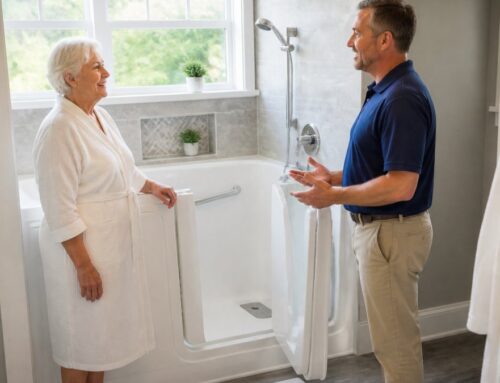
No, walk-in tubs do not prevent falls. For a focused look at how a walk-in tub can help prevent dangerous bathroom falls, that page lays out the specifics. They reduce some bathroom fall risks, and that difference matters more than most salespeople will admit.
I’m George Bentley. I founded Bentley Baths in 2003 after my mother had a serious bathtub accident, and I’ve spent the years since helping people bathe safely at home. Here’s the honest answer: a walk-in tub is a tool, not a guarantee. It lowers the wall you have to climb over. It gives you something to hold. It does not make you steady on your feet.
The [CDC reports that falls are the leading cause of injury among older adults | cdc.gov], and the bathroom is one of the most common places they happen. So the real question isn’t whether a tub prevents falls. It’s whether the tub you’re considering removes enough risk to be worth the money.
Below, I’ll walk you through what walk-in tubs actually do, where they fall short, and how to decide if one fits your situation.
How Walk-In Tubs Reduce Fall Risk in the Bathroom
A walk-in tub reduces fall risk by removing the two hazards that cause most bathing injuries: the high tub wall and the wet floor around it.
Think about a standard bathtub. You lift one leg over a wall, balance on the other, and lower yourself onto a wet surface. Then you reverse the whole thing on the way out. That single move is where a lot of falls begin.
A walk-in tub changes the geometry:
- Low-threshold entry replaces the high wall with a short step or none at all
- A built-in seat means you sit instead of lowering yourself to the floor
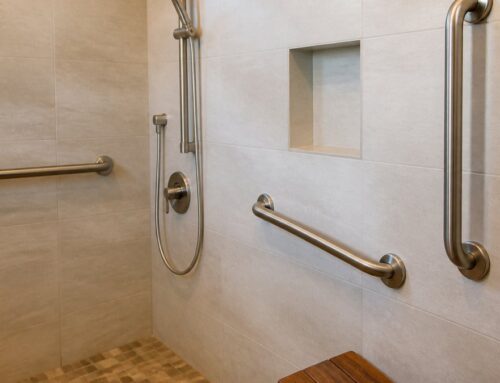
- Grab bars and handholds give your hands something solid to hold
- A slip-resistant floor gives your feet grip
None of that makes you fall-proof. But it removes the climb, and the climb is the part that gets people hurt.
Walk-In Tub Safety Features That Actually Matter
The safety features that matter most are the low entry, the grab bars, and the slip-resistant floor. Everything else is comfort.
Here’s how I’d rank them.
1. Low-threshold entry. This is the whole point. If the step-over is still high, you bought a heavy bathtub.
2. Grab bars and handholds. Placed where your hands actually go, not where they look nice. Test them.
3. Slip-resistant floor. Wet porcelain is a skating rink. A textured floor is not.
4. Inward-opening door with a watertight seal. The door must close and seal before you fill the tub. If it doesn’t, you have a flood, not a bath.
5. A seat at the right height. Too low and you struggle to stand. Too high and you can’t settle in.
For a closer look at how these features work together, see our guide to walk-in tub features and why they matter.
Walk-In Tub Transfer Safety: Getting In and Out Without a Spill
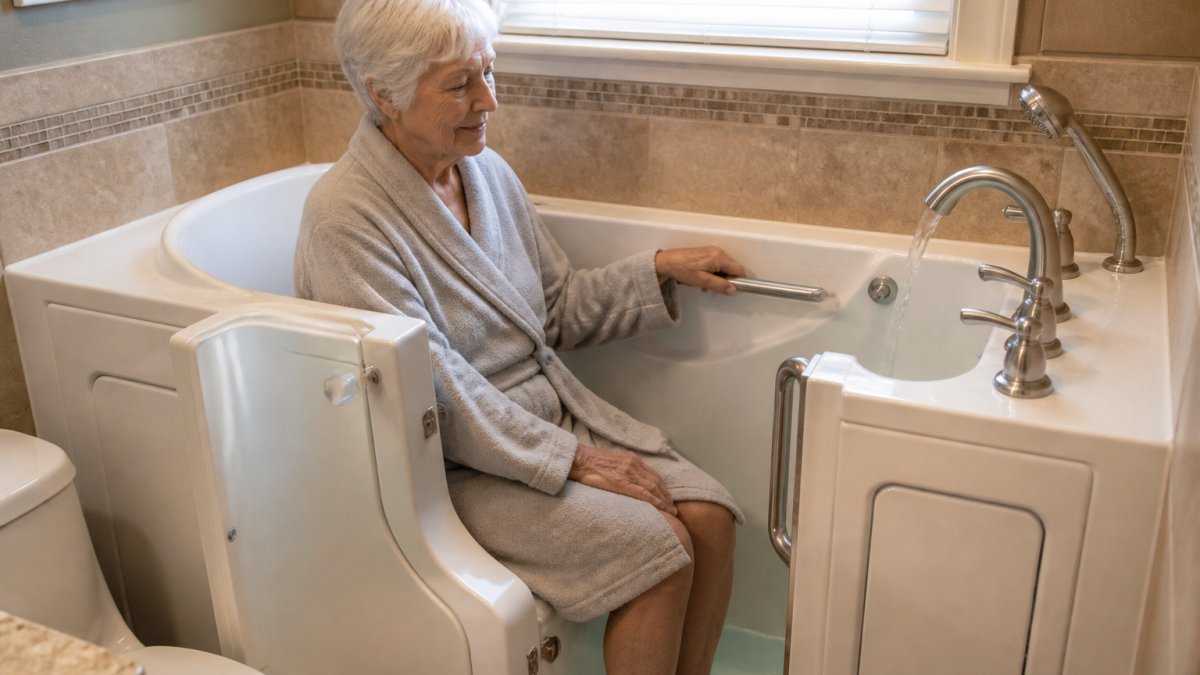
Most walk-in tub injuries I hear about happen during the transfer, not the soak. That is the part nobody demonstrates at the showroom, and it is the part worth rehearsing before you buy.
Here is the sequence I teach, in order, with the reasons behind each step.
1. Dry the floor first. A wet tile floor defeats every safety feature in the tub. Keep a towel on the floor at the entry point and step on it, not on bare tile.
2. Park your walker or cane where you will actually reach it. Not behind the door. Not across the room. If you use a mobility aid, the transfer is not finished until you are back on it.
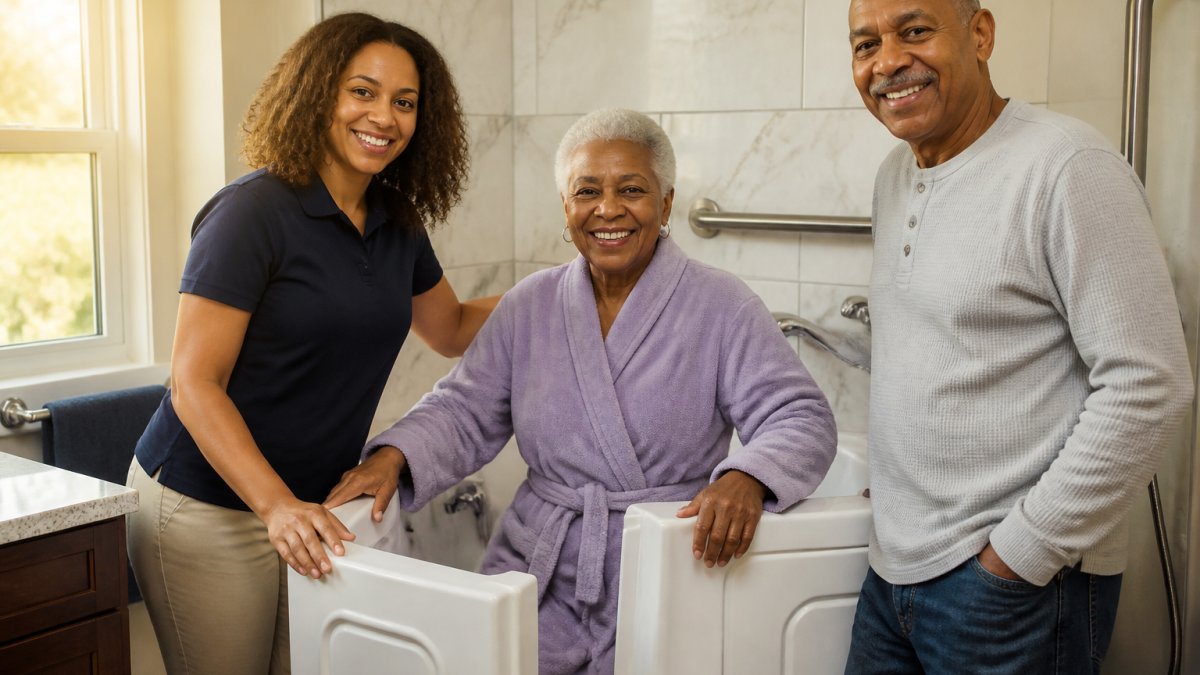
3. Sit down before you swing your legs. Do not step in and lower yourself at the same time. Back up to the seat, put both hands on the grab bars, and lower yourself onto the seat.
4. Use the grab bar, not the door. Doors are not handles. Neither is the faucet, the soap dish, or the shower curtain rod.
5. Close and seal the door before the water runs. Every walk-in tub requires the door to be latched and sealed before filling. If the seal is not set, you have a flood, not a bath.
6. Stand only after the water has drained. Wet skin on a wet seat is slick. Wait for the tub to empty, dry your feet and the seat, then reverse the sequence: legs out one at a time, hands on the grab bars, rise slowly.
Watch out for the hurry. The biggest mistake I see is rushing the exit. People get cold, they rush, and the rush is what hurts them. Take your time, and if you are chilled, fix the room temperature before you get in, not after.
If you need a caregiver’s help for the transfer, agree on the plan before the water runs. Decide who holds what, where the towel goes, and what happens if something goes wrong.
And if you are not sure whether you can transfer safely on your own, that is a question for an occupational therapist or your clinician, not for a salesperson. A walk-in tub lowers the wall.
Walk-In Tub Pros and Cons: What You Gain and What You Give Up
The pros are real: easier entry, a place to sit, and the ability to soak again. The cons are real too, and anyone who skips them is selling, not helping.
What you gain:
- Lower step-over height and easier access
- Built-in seating and grab bars
- Full-body soaking, which a shower cannot give you
- A seated shower option if the tub has a shower attachment
- More independence, less need for help
What you give up, and what to plan for:
Time, and the cold that comes with it. You get in before the water runs, and you stay seated while it fills. Depending on your water heater and the tub’s capacity, that wait can feel long, and the tub surface is cool until the water rises around you.
Dizziness on the way out. Warm water and a long soak can leave some people lightheaded. Standing up fast after draining is a bad idea. Rise slowly, hold the grab bar, and if you feel off, sit back down and wait.
Drain speed. A slow drain means a longer wait in a cooling tub. Ask how fast the tub empties before you buy, and test it during the demonstration if you can.
Door seals and maintenance. The door gasket is a part that may need attention over time. Ask what the warranty covers, how the seal is maintained, and who services it if it fails. A leaking door is not a cosmetic problem.
Water temperature control. A scald-safe mixing valve matters more in a deep tub than most people realize. Ask whether one is included and set correctly.
Space and installation scope. These tubs are bigger than they look, and installation involves real work: the doorway, the floor, the plumbing, and often the electrical for a heater or massage system. Pricing depends on your bathroom and the scope of the job, so get it in writing.
Cleaning and daily use. A deep tub with jets and a door seal takes more upkeep than a standard tub. If cleaning is already a chore, be honest with yourself about whether you will keep up with it.
The honest test is not whether the tub looks safer on the showroom floor. It is whether you will actually use it, safely, on a Tuesday morning when you are tired and the room is cold. If the answer is yes, the tradeoffs are worth it. If the answer is maybe, that is worth a conversation before you spend the money.
For the full tradeoff list, read our walk-in tub pros and cons guide.
Walk-In Tub vs Shower Safety: Which Is Right for You?
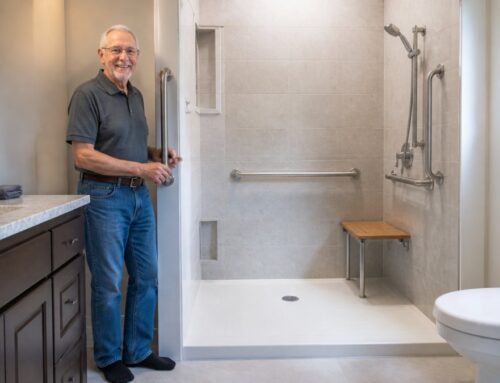
A walk-in shower is safer for some people. A walk-in tub is better for others. The right answer depends on your balance, your space, and whether you want to soak.
If you can stand and step over a low curb, a walk-in shower with a seat and grab bars is a solid, simple choice. If standing is hard, or you want deep immersion for aching joints, a walk-in tub earns its place.
| Situation | Better Fit | Why |
|---|---|---|
| Steady on feet, wants simplicity | Walk-in shower | Fewer moving parts, faster |
| Unsteady, needs to sit | Walk-in tub | Seat and low entry |
| Wants to soak | Walk-in tub | Showers can’t immerse |
| Very limited mobility | Professional assessment first | May need a different setup |
If you’re weighing the two, our comparison of showers versus bathtubs for senior mobility breaks it down further.
Schedule Your Free Bathing Safety Evaluation
Here’s my challenge to you: before you spend a dime, get someone qualified to look at your actual bathroom.
A walk-in tub can help. It cannot replace an honest assessment of your balance, your space, and your habits. At Bentley Baths, we offer free in-home and virtual evaluations by an age-in-place specialist. We look at your bathroom, talk through your mobility, and recommend what fits, including options that aren’t a tub.
We also offer a free walk-in tub buying review with me, so you can ask questions before you sign anything, and a free safe bathing course if you would rather learn the transfer basics on your own first. You can learn more about how the in-home bathroom safety assessment works and what to expect.
Get started with Bentley Baths and make your bathroom safer, one honest conversation at a time.
Frequently Asked Questions
Can you fall getting into or out of a walk-in tub?
Yes, a fall is still possible. A walk-in tub lowers the step-over height and adds grab bars and slip-resistant surfaces, but it does not remove every risk. Wet floors, rushing, and transferring without support are still hazards. The safest approach is to sit on the built-in seat before swinging your legs over, keep one hand on a grab bar at all times, and dry the floor before standing. If you have significant balance or mobility limitations, ask an occupational therapist or age-in-place specialist to assess your bathroom before you buy.
What walk-in tub safety features reduce fall risk the most?
The features that matter most are a low-threshold entry, a watertight door, built-in grab bars placed where you actually reach, a textured slip-resistant floor, and a contoured seat with a handheld shower wand. Add adequate lighting and a non-slip bath mat outside the door. Skip gimmicks and focus on these core items.
Are walk-in tubs safer than showers for older adults?
It depends on the person. A walk-in tub with a seat, grab bars, and a low threshold can be safer than a standard shower with a high curb and no support. But a curbless roll-in shower with a fold-down seat and grab bars can be equally safe and easier to transfer into for some people. The right choice depends on your balance, strength, and whether you want soaking. A professional home safety assessment is the best way to decide.
What are the drawbacks of walk-in tubs I should know before buying?
Walk-in tubs take longer to fill and drain than a standard tub, so you sit in the tub while it fills and cools. The door must be closed and sealed before water goes in, and you cannot open it until the tub drains. They also require a dedicated installation. Some people find the seat and step-over height still challenging. Weigh these trade-offs against the safety and soaking benefits, and get a written estimate before you commit.